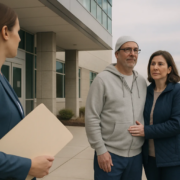
Premature hospital discharge malpractice Maine consultation scene in Auburn

Can an Early Hospital Discharge Be Malpractice in Maine?

A hospital discharge can feel like a relief, but it can also create uncertainty if symptoms remain unresolved, instructions are unclear, or follow-up care is not arranged. What happens when a hospital discharge comes too soon in Maine? The answer depends on the patient’s condition, the information available to the care team, the discharge plan, and the harm that follows. A later emergency visit or readmission may raise questions, but it does not automatically establish malpractice.

Auburn medical malpractice lawyers may be able to evaluate the medical records, timeline, and resulting injuries. Independence Law Maine and New Hampshire helps Maine readers understand those issues without assuming that every poor outcome reflects negligence. This article follows the chronology from admission through discharge and later treatment, explaining what to record, what may matter legally, and when a consultation may be appropriate.

How Can You Document a Potentially Premature Hospital Discharge in Maine?

The most useful record often begins before anyone discusses going home. From the first evaluation, patients or family members can keep a dated timeline of symptoms, tests, procedures, medications, changes in condition, and questions raised with staff. If the patient cannot keep notes, a family member or support person may do so when permitted.

During admission and treatment

Record facts rather than conclusions. Useful details may include:

  • The symptoms that led to admission and whether they improved, worsened, or changed.
  • Names or roles of clinicians involved, when known, and the approximate time of important conversations.
  • Tests, procedures, medications, allergies, mobility concerns, and safety issues discussed.
  • Requests for reassessment, pain or symptom reports, and the responses received.
  • Statements about the expected course of care, possible complications, or discharge criteria.

This information does not prove that care was negligent. It can help an attorney and qualified medical professionals compare what happened with the applicable standard of care. In Auburn, Maine, a review may involve hospital records, nursing notes, physician orders, test results, medication administration records, and communications preserved in the chart.

Before leaving the hospital

Ask for a written discharge plan and note whether staff explain it in a way the patient or caregiver can understand. The plan may address medications, activity limits, wound or device care, diet, transportation, supervision, warning signs, and follow-up appointments. A failure to provide necessary instructions or a workable follow-up plan can become important, depending on the patient’s condition and the circumstances known at discharge.

When Does an Early Release Become Hospital Discharge Negligence?

A short hospital stay is not automatically unsafe, and a patient who deteriorates after discharge may have experienced a recognized complication or an unpredictable change. The central question in a potential premature hospital discharge malpractice Maine claim is generally whether the care team acted reasonably under the circumstances and whether the alleged lapse caused additional harm.

Readers can review how Maine patients distinguish malpractice from a known medical complication when considering this distinction. Possible concerns may include releasing a patient despite unresolved symptoms, failing to reassess a changing condition, overlooking important test information, or sending someone home without necessary supervision, equipment, medication guidance, or follow-up.

Warning signs in the discharge plan

A discharge plan may deserve closer review when the record shows:

  1. Symptoms or vital concerns were still being reported shortly before release.
  2. The patient or caregiver did not receive understandable instructions about medications or warning signs.
  3. A follow-up appointment, referral, test, or transportation plan was necessary but not arranged or communicated.
  4. The patient was told to seek help but was not given clear information about where or when to do so.
  5. The home setting could not reasonably support the care requirements known to the hospital.

These facts require context. A patient’s later condition, standing alone, does not establish hospital discharge negligence. In Maine, legal and medical evaluations can depend on the patient’s diagnosis, history, risk factors, available information, and the causal connection between the discharge decision and later injury. Laws and procedures may vary by location and may change over time.

What Should You Record After Discharge and Readmission?

The period after leaving the hospital can clarify whether the patient followed the plan, what symptoms developed, and how quickly additional care became necessary. Keep a chronological record of new or worsening symptoms, calls to the hospital or clinician, advice received, medication problems, missed or delayed appointments, emergency visits, and readmission.

Documenting deterioration and follow-up

Preserve discharge paperwork, medication lists, appointment notices, portal messages, bills, transportation records, and work-related documentation. Ask providers how to obtain relevant records, and keep copies of emergency-department and inpatient documents. A patient should generally follow current medical guidance for urgent symptoms; this article does not diagnose conditions or recommend a particular treatment.

When a person returns to the emergency department or is readmitted, note the date, reason, testing, treatment, and what clinicians said about the change in condition. The timing may matter, but it is only one part of causation. A legal review may also consider whether earlier recognition, monitoring, instructions, or follow-up would probably have changed the outcome.

Additional losses may include further treatment, additional recovery time, lost income, transportation costs, pain, or limitations in daily activities. Auburn personal injury lawyers evaluating medical-related harm may help explain how these consequences fit into a broader injury evaluation.

Common documentation mistakes

Avoid altering medical records, guessing about medical conclusions, or relying only on memory. Do not discard medication containers, discharge papers, or messages. It is also wise to avoid posting detailed allegations about the hospital or care team online while the facts are being evaluated. A consultation may help identify which records are relevant and whether Maine deadlines or procedural requirements could affect a potential claim.

Frequently Asked Questions

Does readmission prove that a Maine hospital discharged me too soon?

No. Readmission can be an important event in the timeline, but it does not by itself prove an unsafe discharge or malpractice. Some conditions worsen despite appropriate care, and some complications cannot reasonably be predicted. An evaluation generally considers the patient’s condition at discharge, the information available to clinicians, the instructions and follow-up plan, the later diagnosis, and whether the alleged lapse caused additional harm.

What if I never received clear discharge instructions?

A failure to provide discharge instructions may be relevant when instructions were necessary for safe recovery and the omission contributed to injury. Helpful evidence can include the paperwork provided, what staff explained, questions asked, medication directions, warning signs, and follow-up arrangements. The significance depends on the patient’s medical circumstances and the connection between the missing information and later harm.

Can a family member request records after a patient is discharged?

Often, a patient or an authorized representative can request medical records, although privacy rules and authorization requirements apply. The exact process depends on the provider and the requester’s relationship to the patient. Records may include physician notes, nursing documentation, test results, medication records, discharge instructions, and follow-up communications. A Maine attorney can discuss authorization and preservation questions specific to the situation.

How long do I have to explore a medical malpractice claim in Maine?

Maine deadlines can depend on the type of claim, the facts, the patient’s age, when the injury was discovered, and other legal issues. The applicable rules may also change, and missing a deadline can affect legal rights. Because timing is fact-specific, a person concerned about a discharge should consider promptly obtaining advice from a qualified Maine attorney rather than relying on a general online time estimate.

How Independence Law Maine and New Hampshire Can Help

Independence Law Maine and New Hampshire is dedicated to helping individuals and families understand potential medical-malpractice and personal-injury claims. The firm can review the chronology, medical records, discharge instructions, follow-up communications, readmission history, and documented losses to help identify questions for further evaluation.

A careful review does not assume that a poor result proves negligence. It considers the applicable Maine legal standards, the medical evidence, causation, and the effect of any resulting harm. If you are in Auburn, Maine, or elsewhere in the state and have concerns about an unsafe discharge, contact Independence Law Maine and New Hampshire for a free consultation or case evaluation. The firm is committed to fighting for clients’ rights while helping them explore their legal options.

The information in this article is for educational purposes only and does not constitute legal advice. Contact a qualified attorney licensed in Auburn, Maine for advice specific to your situation.


Surgical error medical malpractice Maine concept shown in a carefully prepared operating room

When Is a Surgical Error Medical Malpractice in Maine?

A surgical procedure can involve known risks even when a medical team follows accepted practices. But what if the wrong site is operated on, a surgical instrument is left behind, or a serious warning sign is not addressed after discharge? When asking, “When is a surgical error medical malpractice in Maine?” patients in Auburn, Maine, and Portland, Maine, generally need to look beyond the outcome and examine the care that led to it.

A complication alone does not prove negligence. A potential claim may arise when a provider fails to meet the applicable professional standard of care and that failure causes additional harm. Auburn medical malpractice lawyers can help explain how records, expert review, causation, and damages may fit together. Independence Law Maine and New Hampshire provides legal guidance for people evaluating these concerns.

This article discusses common categories of surgical-error concerns in plain language, the difference between an accepted risk and preventable negligence, and practical questions a prospective client may want to discuss with counsel.

When Does a Surgical Error Become Medical Malpractice in Maine?

In general, a surgical error may become medical malpractice when the evidence supports four connected points: a professional duty existed, the provider’s care fell below the applicable standard, the departure caused injury, and the injury resulted in legally recognized damages. Each point can require careful analysis. A poor result by itself is not enough.

Known complications and unavoidable risks

Some procedures carry recognized risks, including infection, bleeding, nerve damage, anesthesia complications, or the need for additional treatment. A patient may experience one of these outcomes even when the surgeon and staff acted reasonably. Whether a risk was disclosed can be relevant, but informed consent does not necessarily excuse negligent treatment during the procedure.

The key question is often whether the outcome was a known risk despite appropriate care or whether it resulted from a preventable departure from accepted practice. Medical records and testimony from qualified experts may be needed to make that distinction.

Common categories of possible surgical error

Concerns may involve inadequate planning, an incorrect procedure, poor technique, insufficient monitoring, or an inadequate response to a developing complication. Examples can include:

  • Wrong-site or wrong-patient surgery concerns, sometimes described as a wrong site surgery claim.
  • Failure to review relevant medical history, imaging, allergies, or test results before surgery.
  • Retained surgical items or an inaccurate count of instruments and materials.
  • Anesthesia or positioning problems that cause additional injury.
  • Failure to recognize or respond to bleeding, infection, organ injury, or other warning signs.
  • Inadequate discharge instructions, follow-up, or postoperative communication.

These examples do not establish liability by themselves. A case depends on the facts, the applicable standard of care, and proof that the alleged error caused compensable harm.

How Are Surgical Negligence, Causation, and Damages Evaluated?

A surgical malpractice review usually examines more than what happened in the operating room. The timeline before and after surgery may be equally important. In Auburn, Maine, or Portland, Maine, a prospective claim may involve records from a hospital, surgeon, anesthesiology team, nurses, primary-care provider, rehabilitation provider, and any later treating professionals.

Questions that may help organize the facts

A prospective client may want to discuss questions such as:

  1. What procedure was planned, and what procedure was actually performed?
  2. Did the records identify a complication, unexpected event, or change in the surgical plan?
  3. Were there symptoms or test results before surgery that should have affected planning?
  4. What happened immediately after the procedure and during discharge?
  5. Did the patient receive timely evaluation when new symptoms appeared?
  6. What additional treatment, lost income, limitations, or ongoing effects followed?

The purpose is not to diagnose a medical problem or reach a legal conclusion without review. These questions help counsel identify which records and expert opinions may be relevant.

The importance of causation and measurable harm

Even if a provider made a mistake, a claim generally requires evidence that the mistake caused additional injury. For example, the analysis may ask whether a delayed response led to another procedure, a longer recovery, or a lasting limitation. It may also consider medical expenses, lost earnings, pain and suffering, and other legally recognized losses.

This is different from saying every unfavorable result has a legal remedy. A person may have suffered real harm, yet the evidence may show that the harm was an accepted risk or would have occurred even with reasonable care. Readers seeking broader information about injury categories and damages can review the firm’s guidance for Auburn personal injury lawyers.

What Should You Discuss With a Maine Medical Malpractice Attorney?

People often make decisions about a suspected surgical error before all relevant information is available. Preserving records and creating a clear timeline can help, while public accusations or assumptions about fault may complicate an already stressful situation. A Maine attorney can explain which steps may be appropriate based on the individual facts.

Records and timing matter

Potentially relevant materials may include operative reports, anesthesia records, consent forms, imaging, laboratory results, discharge instructions, portal messages, bills, employment records, and follow-up notes. A lawyer may also want to know when symptoms began, who was contacted, what care followed, and whether another procedure was required.

Maine medical malpractice cases can involve specialized procedural requirements and time limits. Those rules may depend on the circumstances, the parties involved, and the type of claim. Because laws and procedures can change, a prospective client should discuss timing with counsel rather than assume that a claim can be evaluated whenever convenient.

Practical questions for a consultation

A prospective client may ask an attorney:

  • How do you distinguish an accepted complication from operating room negligence?
  • What medical records and expert review may be needed?
  • Could the conduct of more than one provider be relevant?
  • How might a wrong site surgery claim differ from another surgical-error theory?
  • What damages may be considered if additional treatment or lost work occurred?
  • Does your firm handle matters involving the facility or providers where care occurred?

Readers in Portland may wish to speak with Portland medical malpractice lawyers about records, causation, damages, and Maine-specific procedures. People outside these cities can also review the firm’s information about Maine communities served by the firm when considering whether a consultation is available.

Frequently Asked Questions

Is every bad surgical outcome medical malpractice?

No. Surgery carries recognized risks, and a complication can occur even when the medical team provides appropriate care. A medical malpractice claim generally requires evidence of a departure from the applicable standard of care and a connection between that departure and additional harm. Medical records, expert opinions, and the patient’s recovery timeline may help distinguish an accepted risk from potentially negligent treatment.

Can a patient bring a claim for a wrong-site surgery concern?

A wrong-site surgery concern may warrant legal review because the planned procedure and the procedure performed can be central to the analysis. However, the facts still matter, including what records show, which providers were involved, and what harm resulted. A consultation can address whether the issue may fit a Maine medical malpractice theory and what evidence may be needed.

What if the surgeon says the complication was unavoidable?

A statement that an outcome was unavoidable does not, by itself, resolve the legal question. Counsel may compare the patient’s records and timeline with the care that qualified professionals would ordinarily provide under similar circumstances. The review may consider planning, technique, monitoring, informed consent, and follow-up. An independent medical expert may be important in evaluating these issues.

Can postoperative care be part of a surgical malpractice claim?

Yes, depending on the facts. A claim may involve care after surgery if a provider allegedly failed to recognize warning signs, arrange appropriate testing, communicate important instructions, or respond within a reasonable timeframe. The analysis generally focuses on whether the postoperative care met the applicable standard and whether any delay caused additional injury or damages.

How Independence Law Maine and New Hampshire Can Help

Independence Law Maine and New Hampshire is dedicated to helping injured people understand whether a surgical outcome may involve negligence rather than an accepted medical risk. The firm is committed to fighting for clients’ rights through careful review of medical records, treatment timelines, expert issues, and potential damages. Its team is ready to evaluate your situation and explain possible next steps without promising a particular result.

If you are concerned about a surgical error in Auburn, Maine, Portland, Maine, or another Maine community, contact Independence Law Maine and New Hampshire for a free consultation or case evaluation.

The information in this article is for educational purposes only and does not constitute legal advice. Contact a qualified attorney licensed in Auburn, Maine; Portland, Maine for advice specific to your situation.

Evidence for a maritime negligence claim near a Maine workboat

What Records Can Help Prove a Maritime Negligence Claim?

An injury on a fishing boat, tug, workboat, or other vessel can leave a worker focused on medical care and immediate financial concerns. Yet the facts that explain what happened may also be changing: equipment gets repaired, work areas are cleaned, schedules are replaced, and witnesses move on. If you are researching how to prove a maritime negligence claim in Auburn, Maine; Portland, Maine, understanding what evidence may matter can help you preserve information already in your possession.

A maritime injury lawyer may evaluate whether the available facts relate to vessel negligence, unseaworthiness, or another maritime remedy. Independence Law Maine and New Hampshire can help readers understand the difference between preserving records and personally investigating an unsafe condition. This guide discusses medical records, photographs, witness information, messages, schedules, inspection and maintenance documents, training materials, incident reports, and the condition of tools or equipment.

What Evidence Can Help Prove a Maritime Negligence Claim?

The evidence in a vessel injury case usually comes from several sources rather than one decisive document. A worker’s account may explain the sequence of events, while photographs, medical records, and vessel records provide additional context. Depending on the facts, the evidence may help address whether a dangerous condition existed, whether the owner or operator knew or should have known about it, and whether the condition contributed to the injury.

Medical and injury records

Medical records can connect the accident to the symptoms and treatment that followed. Keep copies of discharge paperwork, diagnostic reports, prescriptions, therapy records, and work restrictions when available. A personal account of pain or limitations can be useful, but medical documentation gives a more objective timeline for counsel to review.

Photographs, messages, and witness names

Photographs taken lawfully and safely may show the work area, lighting, weather, tools, deck conditions, protective equipment, or visible damage. Do not return to a vessel or enter a hazardous area to obtain images. Preserve text messages, emails, or other communications about the assignment, reported problems, schedule, or incident without editing them. Write down witness names and contact information as soon as practical, along with what each person may have observed.

In Auburn, Maine, and Portland, Maine, a claim may involve people who worked at different ports or traveled on a vessel operating beyond one state. A simple witness list can help an attorney determine which accounts may be relevant and how to locate records.

How Do Vessel Records and Workplace Documents Support Unsafe Vessel Injury Evidence?

Vessel-related documents may reveal how equipment was maintained, how workers were trained, and whether problems were reported before an accident. An injured worker or family member generally should not demand records, confront personnel, or conduct a private inspection. Instead, preserve documents already received and tell counsel what records may exist so they can consider appropriate ways to obtain them.

Potentially relevant materials may include:

  • Inspection records, safety checklists, maintenance logs, repair orders, and equipment service histories.
  • Crew schedules, assignments, time records, weather information, and voyage or port records.
  • Training materials, safety meetings, operating procedures, and instructions for using tools or machinery.
  • Incident reports, near-miss reports, photographs, internal communications, and reports made to a supervisor.
  • The tool or equipment involved, if it remains available and can be preserved without creating a safety risk.

These materials may support an unseaworthiness claim by providing information about the vessel’s equipment, working conditions, or crew. They may also help evaluate Jones Act negligence proof, including whether an employer’s conduct or failure to act played a role. The legal theory depends on facts such as the worker’s role, assigned duties, vessel location, and employment relationship. A Maine commercial fisherman injury lawyer may need those details before assessing which evidence matters most.

Maine maritime accident investigation issues can also cross jurisdictional lines. A worker might receive treatment in Portland while the vessel is based elsewhere, or records may be held by an employer in another state. Federal maritime law may apply in some situations, while state law and local procedures may affect related issues. Laws and procedures vary by location and may change, so an attorney should assess the specific circumstances.

What Evidence-Preservation Mistakes Can Weaken a Vessel Injury Claim?

Evidence preservation does not require an injured worker to investigate the vessel. It usually means protecting information that is already available and creating a reliable record of what happened. Useful steps may include:

  1. Follow medical instructions and keep treatment records. Tell providers how the injury occurred and preserve bills, referrals, restrictions, and appointment information.
  2. Record basic facts while they are fresh. Note the date, vessel, job assignment, location, weather or sea conditions if known, what happened, and who was present. Avoid guessing about facts you do not know.
  3. Preserve original communications. Keep messages, emails, photographs, schedules, and notices in their original form. Do not delete, crop, alter, or annotate the originals.
  4. Avoid public speculation. Social media posts, recorded statements, or casual explanations can be misunderstood when separated from the full context. Depending on the situation, counsel may advise on communications with an employer, insurer, or investigator.
  5. Do not repair, discard, or personally examine equipment. A tool or machine may be important evidence, but safety comes first. Tell an attorney what happened and where the item may be located.

Workers and families in Auburn, Maine, or Portland, Maine, may also need to organize information about wages, missed work, job duties, and prior reports of a problem. When a vessel operates between Maine and New Hampshire, a Portsmouth maritime injury lawyer resource may be relevant to understanding how the port, employer, treatment location, and witnesses fit together. This is an organizational step, not a direction to investigate unsafe conditions independently.

Frequently Asked Questions

Should I take photographs of the vessel after a maritime injury?

Only if you can do so lawfully and without entering a hazardous area or interfering with an investigation. Photographs already in your possession may help show the work environment, equipment, lighting, or visible conditions. Preserve original files and note when and where they were taken. Do not return to a vessel solely to obtain evidence. An attorney can discuss other ways relevant photographs or records may be requested.

What if the vessel owner has the inspection and maintenance records?

That is common because owners, operators, employers, or contractors often control operational documents. Keep any records provided to you and make a list of documents you believe exist, such as inspection logs, repair orders, safety meeting materials, and incident reports. Do not alter or remove records. Depending on the claim and jurisdiction, an attorney may evaluate formal methods for seeking relevant materials.

Can text messages support a maritime injury claim?

They may. Messages can show work assignments, reports of equipment problems, instructions, scheduling, or communications immediately after an incident. Their meaning depends on context, so preserve complete message threads and related attachments rather than isolated screenshots when possible. Do not create new messages to obtain a particular response or pressure coworkers. A lawyer can assess how communications fit with medical records, witness accounts, and vessel documents.

Does the location of medical treatment affect the evidence needed?

Treatment location can be one part of the overall picture. For example, a worker may be injured near a Maine port, treated in Portland, and later receive care elsewhere. Keep records from every provider and note the dates and reasons for referrals. The accident location, vessel operations, employer, worker status, and treatment locations may affect the legal analysis, and laws vary by jurisdiction.

How Independence Law Maine and New Hampshire Can Help

Independence Law Maine and New Hampshire is dedicated to helping maritime workers and families understand the evidence that may matter after a vessel injury. The firm can review available medical records, photographs, witness information, work records, communications, and other documents while considering whether the facts may relate to negligence, unseaworthiness, or another maritime theory. Its team is committed to fighting for clients’ rights without asking them to place themselves in danger or investigate vessel conditions on their own.

If you were injured while working on or around a vessel, contact Independence Law Maine and New Hampshire for a free consultation or case evaluation. The firm is ready to evaluate your situation and discuss potential legal options.

The information in this article is for educational purposes only and does not constitute legal advice. Contact a qualified attorney licensed in Auburn, Maine; Portland, Maine for advice specific to your situation.

Maine commercial fisherman injury lawyer guide showing a fishing vessel at a coastal Maine harbor

What Should a Maine Commercial Fisherman Injury Lawyer Know?

A commercial fishing injury can raise a difficult threshold question: is the injured worker covered by Maine workers’ compensation, or does federal maritime law provide the more relevant framework? The answer may depend on the person’s job duties, relationship to the vessel, employer, and the place where the injury occurred. For readers searching for a Maine commercial fisherman injury lawyer, Maine commercial fisherman injury lawyer can help explain why these facts matter.

In Auburn, Maine, Portland, Maine, and coastal communities throughout the state, a fisherman may live far from the vessel or receive medical care ashore after an offshore accident. That does not automatically determine which legal rules apply. This guide explains how worker status, vessel duties, accident location, and available records may affect a potential claim, while outlining practical information Independence Law Maine and New Hampshire may need to evaluate the situation.

Which Maine Workers’ Compensation Rules Apply to a Commercial Fisherman Injury?

Maine workers’ compensation is generally designed for covered employees who suffer work-related injuries. However, maritime workers may fall under a different legal system or may be subject to a specific federal compensation law, depending on their role and work location. A person’s job title alone usually does not answer the question.

Why worker status matters

A commercial fisherman who performs a substantial part of the person’s work aboard a vessel in navigation may potentially qualify as a “seaman” under federal maritime law. Seaman status is fact-specific. Courts and claims administrators may examine the worker’s connection to a vessel or fleet, the nature of the work, and the amount of time spent performing vessel-based duties.

If the worker is a seaman, the Jones Act may be relevant to an injury caused in whole or in part by an employer’s negligence. General maritime law may also involve claims related to an unseaworthy vessel, while maintenance and cure may provide separate protections in appropriate circumstances. These concepts are different from ordinary Maine workers’ compensation benefits.

When Maine workers’ compensation may still be relevant

A worker who is not a seaman may fall within Maine’s workers’ compensation system if the employment and injury meet the requirements of Maine law. Another federal maritime compensation system may apply to certain workers who perform maritime work but do not qualify as seamen, particularly in covered shoreside or harbor-related roles. The boundaries can be complicated when a person moves between a vessel, dock, processing area, and land-based workplace.

Maritime work equipment relevant to a commercial fishing boat accident claim
Work records, vessel details, and safety evidence may help evaluate a maritime injury claim.

How Vessel Duties and Location Affect a Fisherman Injury Claim

The same type of accident may lead to different legal questions depending on where it happened and what the worker was doing. A fall on a vessel’s deck, an injury while handling gear, and an accident during dockside loading may involve different evidence and legal theories.

Important facts may include:

  • Whether the injured person worked primarily aboard one vessel or across a fleet.
  • Whether the vessel was operating on navigable waters at the time of the accident.
  • Whether the worker was hired as crew, an independent contractor, or in another role.
  • Whether the injury occurred aboard the vessel, at a dock, during transportation, or at a shoreside facility.
  • Whether unsafe equipment, inadequate crew training, poor maintenance, or unsafe instructions contributed to the event.
  • Whether the employer provided medical care, wage information, or other benefits after the injury.

For a fisherman living near Auburn, Maine, or receiving treatment in Portland, Maine, the location of the home or hospital is only part of the analysis. The vessel’s home port, the employer’s business location, the waters where the accident occurred, and the location of relevant witnesses may also matter. Federal maritime law and Maine law can interact, but they are not interchangeable.

A potential claim may require more than an incident report. Vessel logs, crew lists, payroll records, safety policies, photographs, maintenance records, medical records, and communications with the employer may help establish the worker’s role and how the injury happened. Preserving these materials can be important because records may be held by the vessel owner, employer, captain, insurer, or medical provider.

What Should an Injured Commercial Fisherman Do During the Claims Process?

After a vessel injury, the worker and family may face medical appointments, lost income, and uncertainty about whether benefits will be available. General information can help organize the situation, but a lawyer usually needs to review the specific employment and vessel facts before identifying potentially applicable claims.

Depending on the circumstances, an attorney may ask for:

  1. The worker’s job description, hiring documents, pay records, and work schedule.
  2. The vessel name, owner, operator, employer, home port, and route.
  3. A detailed description of the work being performed immediately before the injury.
  4. Photographs, videos, text messages, safety complaints, and names of witnesses.
  5. Medical records and information about medical treatment already received.
  6. Written notices, benefit applications, insurance communications, and employer responses.

One common mistake is assuming that an employer’s classification controls the legal result. A company may describe someone as a contractor or crew member, but the actual relationship and daily work may be more important. Another mistake is signing a release or accepting a payment without understanding whether it affects other rights. Depending on the facts, an attorney may advise reviewing documents before signing them.

Families in Auburn can also consult Auburn personal injury lawyers when the injured fisherman lives inland, the vessel owner disputes responsibility, or a maritime issue overlaps with a broader personal injury investigation. Readers should also be aware that different laws may have different notice and filing deadlines. Those deadlines vary by claim and jurisdiction, so prompt legal review can help clarify what applies.

Frequently Asked Questions

Does every commercial fisherman injured at sea qualify for the Jones Act?

No. The Jones Act does not automatically cover everyone injured on or near a vessel. Seaman status depends on the worker’s actual connection to a vessel or fleet and the nature of the work performed. A person who performs maritime work but lacks seaman status may instead be considered under another federal or state compensation system. A fact-specific review is generally needed.

Can a fisherman receive medical support after a maritime work injury?

Potentially. A seaman may have rights commonly described as maintenance and cure, subject to the facts and applicable maritime law. Other workers may qualify for benefits through a different compensation system. The nature of the injury, employment relationship, medical documentation, and communications with the employer can all matter. Readers should not assume that one payment or medical authorization resolves every possible issue.

What if the injury happened while a vessel was docked in Maine?

Being docked does not by itself determine which law applies. The analysis may consider whether the worker was performing vessel-based duties, the worker’s connection to the vessel, and whether the activity was part of maritime employment or shoreside work. A dockside injury could raise questions under federal maritime law, Maine workers’ compensation, or another system depending on the circumstances.

Does living in Portland determine where a fisherman’s claim must be handled?

Usually, a worker’s residence is only one jurisdictional fact. The vessel’s port, employer location, accident site, treatment location, and applicable federal or state law may also affect where a claim is presented. A Portland resident may have a claim involving conduct or records from another Maine community or from outside the state. Counsel can evaluate the relevant connections before filing or responding to claim documents.

How Independence Law Maine and New Hampshire Can Help

Independence Law Maine and New Hampshire is dedicated to helping injured workers and families understand how maritime and personal injury rules may apply to their circumstances. The firm can review the worker’s vessel duties, employment relationship, accident location, medical records, and available evidence while explaining potential legal pathways in plain language.

Geographic issues may matter when the fisherman lives inland, the vessel operates from a coastal port, or treatment occurs elsewhere. The firm’s Maine and New Hampshire areas served resource can help readers consider whether counsel handles their community and related locations. Contact Independence Law Maine and New Hampshire for a free consultation or case evaluation. The team is committed to fighting for clients’ rights and is ready to evaluate the facts without promising a particular outcome.

The information in this article is for educational purposes only and does not constitute legal advice. Contact a qualified attorney licensed in Auburn, Maine; Portland, Maine for advice specific to your situation.