
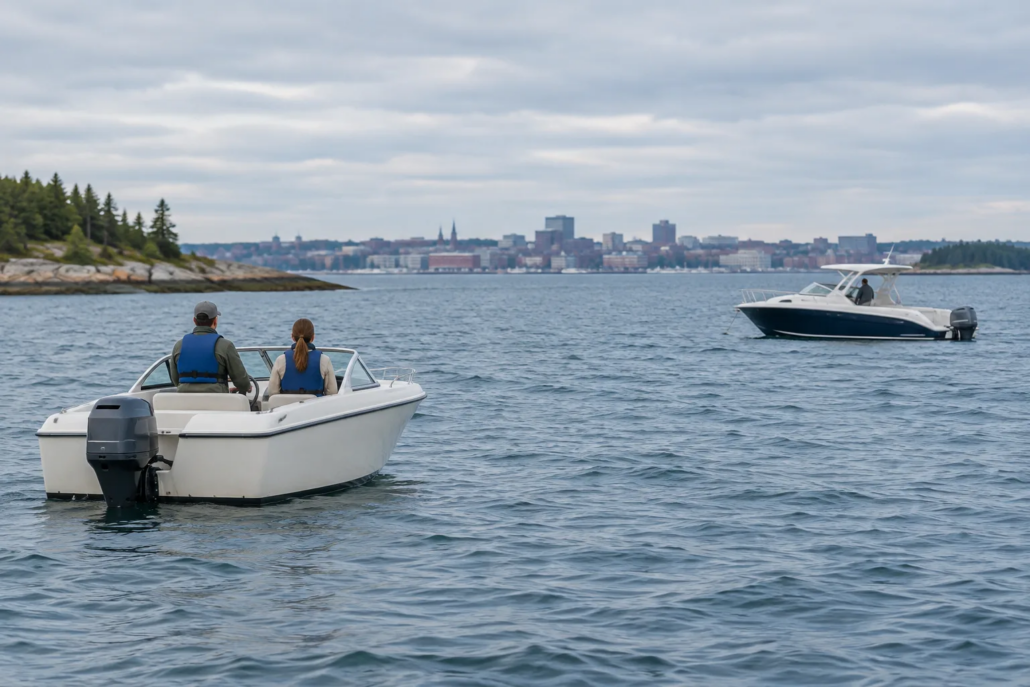
Who May Owe After a Casco Bay Rental-Boat Crash in Portland?
A rental boat can make a day on Casco Bay accessible, but a crash can leave an injured renter or passenger with urgent questions about medical care, insurance, and responsibility. A Casco Bay rental boat accident claim in Portland, Maine may involve more than the person at the controls. The renter, boat owner, rental business, or another vessel operator could have a role, depending on what happened and what each party did. Independence Law Maine and New Hampshire helps people understand the questions that can arise in maritime injury matters. This guide explains how potential responsibility may be assessed, why a rental agreement is not the whole story, and what information may be useful to preserve. It also offers practical starting points for seeking care, identifying everyone involved, and making appropriate reports. Every incident is different, and the facts and applicable law matter.
Who may be responsible for a Casco Bay rental boat accident claim?
Responsibility is not necessarily limited to the person who rented or operated the boat. Investigators and insurers may look at each party’s actions, control over the vessel, and role in preparing for or responding to the trip. The same crash can involve more than one contributing factor, and a person’s connection to the boat does not by itself establish fault.
The renter, boat owner, and rental business
A renter who operates a vessel may have responsibility for decisions such as speed, lookout, navigation, and following applicable boating rules. The boat owner may also be relevant if a condition of the vessel, equipment, or maintenance played a part. A rental business’s possible role may depend on its responsibilities and conduct, including what it knew about the boat’s condition and what safety information it provided. The details matter; renting the boat alone does not establish that the business caused a crash.
A rental agreement or waiver may contain terms about risks and responsibility, but signing one does not automatically answer every question about a later injury claim. Its meaning and enforceability can depend on the language, circumstances, and applicable law. In Portland, Maine, a careful review may also need to account for whether maritime law, state law, or both are relevant.
Other boat operators and passengers
Another vessel operator may be responsible if that operator’s conduct contributed to the collision. A passenger’s actions may also be examined in some cases, but simply being aboard a rental boat does not make a passenger responsible for the operator’s decisions. The evidence and each person’s role must be considered separately.
What evidence and reports can help clarify liability?
Prompt, accurate information can help preserve a record of what happened. If someone is injured, seeking appropriate medical attention is an important first step. When circumstances allow, record the names and contact details of the renter, owner, rental business, passengers, witnesses, and operators of other vessels. Note the vessels involved and where the crash occurred, using a description rather than relying on memory later.
Preserve items that may help explain the trip or the boats’ condition, including:
- The rental agreement, waiver, payment record, and any pre-trip checklist.
- Messages or emails with the rental business and trip details or instructions.
- Photos or video of the vessels, visible damage, equipment, and the surrounding area, if safely available.
- Witness contact information and any incident or medical records you receive.
Keep originals and avoid altering or discarding relevant material. Some incidents may need to be reported under applicable state or federal rules. Depending on the circumstances, the Maine Marine Patrol or the U.S. Coast Guard may be relevant reporting authorities. Requirements can vary, so an injured person should not assume that telling the rental business alone completes any required report. More detail on records that can help prove maritime negligence may help you understand why preserving trip and vessel information matters.
For Portland, Maine crashes, the proper forum for a claim is not determined solely by the location of the nearest courthouse. The type of claim, the circumstances of the trip, and the law that applies can affect where a matter may proceed. A lawyer can assess those questions based on the facts rather than assuming every boating injury follows the same process.
What practical steps can an injured renter or passenger take?
A calm, organized response can help protect important information without requiring you to decide who is legally at fault. In addition to seeking care, consider keeping a private timeline of events while your recollection is fresh. Include when and where the crash happened, who was present, what you observed before and after impact, and what was said about the vessel or trip. Separate what you personally saw from what someone else told you.
Be cautious about drawing conclusions in a public post or signing documents you do not understand. A rental company or insurer may request information, but an early description may be incomplete, especially when several people or vessels were involved. Keep copies of communications and ask what a form or release covers before deciding whether to sign it. These are general considerations, not instructions for a particular claim.
If a death occurred, the questions about who may bring a claim and what losses may be considered can differ from those in an injury case. Families may find this separate overview of claims that may follow a fatal Maine boating accident relevant to that distinct situation.
When the facts, parties, or applicable law are unclear, legal guidance may help identify the issues to investigate. A claim may involve maritime principles as well as Maine law, depending on the vessel and circumstances. Readers seeking advice about a potential injury can review Maine maritime injury legal guidance and consider discussing the specifics with a lawyer familiar with these matters.
Frequently Asked Questions
Does a rental-boat waiver prevent an injury claim?
Not necessarily. A waiver may affect the issues in a claim, but signing one does not automatically resolve whether a renter, owner, rental business, or another operator may be responsible. The wording, circumstances of signing, nature of the claim, and applicable law can matter. A lawyer can review the document alongside the available facts; the waiver should not be treated as a complete answer on its own.
Can a rental business be responsible if another boat caused the crash?
Possibly, but another operator’s involvement does not by itself establish whether the rental business had any responsibility. The condition of the rental vessel, the business’s role, and the actions of each operator may all be relevant. Responsibility depends on evidence connecting a party’s conduct or a vessel-related issue to the injury. A fact-specific review is needed before drawing conclusions.
What if I was a passenger and did not operate the boat?
A passenger may have a potential claim even if they did not control the boat, depending on the cause of the crash and the facts surrounding the injury. Identifying all vessels, operators, the rental business, and witnesses can help clarify what happened. Keep relevant trip information and records, and avoid assuming that the renter is the only person whose conduct or role matters.
Which authority should receive a report after a Casco Bay boating crash?
The appropriate reporting process depends on the incident and applicable requirements. The Maine Marine Patrol or the U.S. Coast Guard may be relevant authorities in some circumstances, but not every crash follows the same reporting path. A report to the rental business or an insurer may not substitute for a report required by law. If unsure, confirm the applicable process with an appropriate authority or a lawyer familiar with Maine boating matters.
How Independence Law Maine and New Hampshire Can Help
Independence Law Maine and New Hampshire is dedicated to helping injured people understand the issues that may arise after a boating crash. The firm can evaluate how the renter, boat owner, rental business, and other vessel operators may fit into the available facts, while considering whether maritime or Maine law may apply. That review can include rental documents, communications, incident information, and the circumstances of the trip. No outcome can be promised, and each matter depends on its facts. If you were hurt in a Casco Bay rental-boat crash, contact Independence Law Maine and New Hampshire to discuss your situation and request a free consultation or case evaluation.
The information in this article is for educational purposes only and does not constitute legal advice. Contact a qualified attorney licensed in Maine for advice specific to your situation; laws vary by location and may change.

Leave a Reply
Want to join the discussion?Feel free to contribute!