
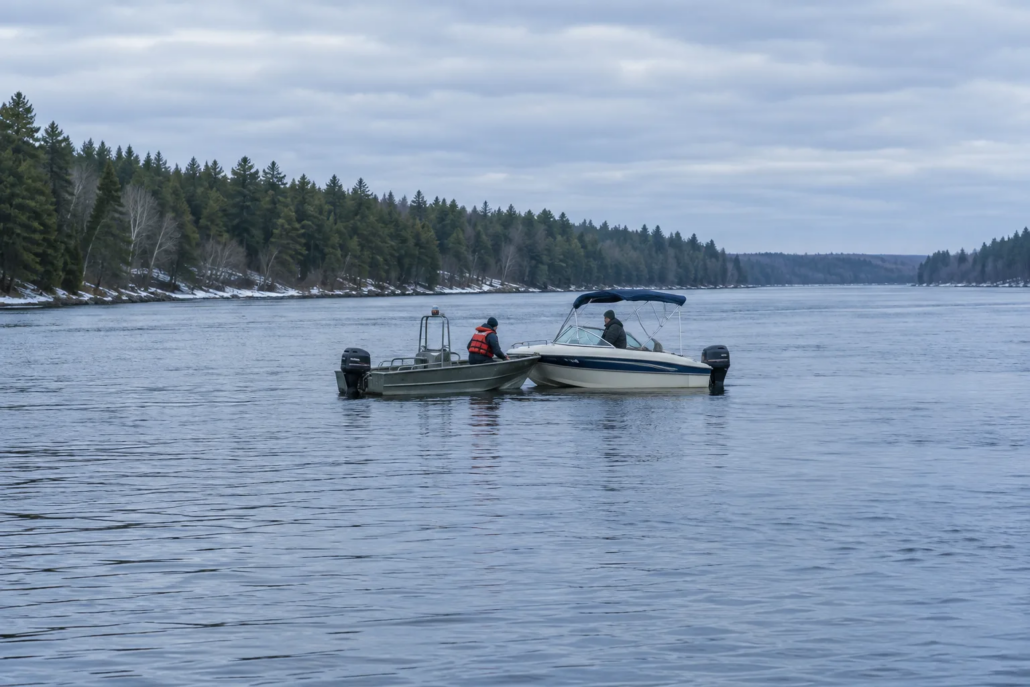
Can Cold-Water Injury Worsen After Rescue in Bangor, ME?
A person pulled from the Penobscot River may be out of the water, but the health effects of cold-water immersion do not necessarily stop at rescue. A cold water immersion injury in Maine can involve symptoms that change after the event, and a person may not be able to judge how serious the situation is by appearance alone. Prompt medical assessment is important; this overview of legal guidance about a maritime injury is separate from medical care and does not replace it.
For people boating near Bangor, Maine, the distinction matters: a rescue addresses immediate danger, while medical professionals assess health concerns and whether follow-up is needed. Independence Law Maine and New Hampshire offers information about maritime injury issues, but the priority after an immersion incident is safety and appropriate medical evaluation. This article explains why symptoms may evolve after rescue, what to record about the event and care, and how those records may help clarify a later injury claim without deciding its merits.
Why Can a Cold-Water Immersion Injury Continue After Rescue?
Cold water can affect the body during immersion, and the transition out of the water does not instantly remove every risk. Exposure, the conditions surrounding the incident, and a person’s individual circumstances can all matter. Hypothermia is one possible concern after a boating accident, but only a qualified medical professional can assess a person’s condition. A person who seems alert or able to talk may still need evaluation; appearance alone is not a reliable way to rule out a problem.
After rescue, symptoms or concerns may change as the person is moved, warmed, monitored, or otherwise cared for. Other injuries may also have occurred during a capsize, fall, collision, or rescue. These possibilities are not a diagnosis, and they do not mean every person exposed to cold water will experience a serious complication. They explain why rescue should not be treated as proof that the medical risk has ended.
Why the timeline can be hard to interpret
People may be frightened, cold, tired, or focused on getting safely ashore. Details such as how long they were immersed or when a symptom first appeared can be difficult to remember later. On the Penobscot River near Bangor, Maine, changing conditions and the sequence of events may be relevant to understanding what happened, but they do not allow a bystander to assess medical severity. Prompt professional assessment helps put health concerns in the hands of clinicians.
What Should You Record After a Penobscot River Rescue?
A dated record can help preserve the sequence of events while memories are fresh. It should support, not delay, medical assessment or emergency assistance. When practical and appropriate, record:
- The approximate time and location of immersion, and how the event began.
- When and how the rescue occurred, including who was present.
- What symptoms or changes were noticed and when they were first observed.
- When medical assessment took place, what follow-up was arranged, and how symptoms changed afterward.
- Names and contact details of witnesses, and basic vessel or trip information that may help identify the incident.
A contemporaneous timeline can be useful alongside medical records, photographs, witness information, and vessel details. These are examples of records that may help document a maritime injury; no single item proves what caused an injury or establishes legal responsibility. Keep notes factual, distinguish what you personally observed from what someone else reported, and avoid guessing at details you do not know.
The event leading to immersion may also matter. For example, a wake or other boating condition could be part of the account of a capsize; a related Bangor kayak capsizing and boat-wake injury scenario illustrates why recording circumstances can be useful. The focus here remains on prompt medical assessment and a clear record, not drawing conclusions about fault.
How Can a Dated Medical Timeline Clarify What Happened?
A timeline can connect the exposure, rescue, symptoms, medical visits, and any follow-up care in chronological order. That sequence may help clinicians understand what the person experienced, and it may later help others reviewing the incident distinguish what was noticed at the scene from what arose or changed afterward. Notes should be factual and updated when new information becomes available.
A person’s medical history may also be relevant to clinical assessment. Sharing accurate history with healthcare professionals can give them context; it does not mean that a prior condition explains away a new concern. Recording what changed after the immersion, without trying to diagnose the cause, may preserve useful information. For more context, see how symptom changes and medical history may shape a Bangor maritime claim.
Keep medical questions separate from legal questions
A cold-water event on the Penobscot River may raise questions about how the incident happened, who was involved, and whether a vessel or other condition contributed. Whether a claim falls under maritime law or another legal framework depends on the specific facts and applicable law. Maine law and procedures may differ from those in other jurisdictions, and maritime issues can involve separate legal rules. The appropriate court or process cannot be identified from the location alone.
A dated record may help a qualified attorney understand the sequence, but it does not establish liability by itself. The medical priority is assessment by a professional; legal questions can be evaluated separately once immediate safety needs are addressed.
Frequently Asked Questions
Can someone feel fine after rescue and still need medical assessment?
Yes. A person’s appearance or initial sense of well-being cannot reliably establish whether cold-water exposure or another incident-related injury needs attention. Symptoms and concerns may change after rescue, and the person may not be able to assess them accurately. Prompt medical assessment is the safer way to have health concerns evaluated. This article does not diagnose a condition or replace guidance from a healthcare professional.
What details are useful to write down after a river rescue?
A dated account can include the approximate time and place of immersion, how the event began, when rescue occurred, who was present, and what symptoms or changes were observed. Add the timing of medical visits and follow-up care, along with relevant vessel or trip details. Separate firsthand observations from information reported by others, and mark uncertain details as estimates rather than presenting guesses as facts.
Should prior medical history be included in the event record?
Relevant medical history may be important for clinicians assessing a person after immersion, so accurate information should be shared with the healthcare team. A record can also note when new symptoms appeared or existing symptoms changed, without trying to explain the cause. Prior conditions do not automatically account for new concerns. Medical professionals can consider the history in context and determine what assessment or follow-up is appropriate.
Does every Penobscot River immersion lead to a maritime injury claim?
No. An immersion incident does not automatically establish that someone else is legally responsible or that a particular legal framework applies. The circumstances, location, people and vessels involved, and applicable law may all matter. A dated event and care record can help preserve information, but it is not proof of fault. A qualified attorney can review the facts and explain potential legal options in the relevant jurisdiction.
How Independence Law Maine and New Hampshire Can Help
Independence Law Maine and New Hampshire is dedicated to helping people understand questions that may follow a boating or river-related injury. The firm can review the incident timeline and available records, explain how maritime or personal injury issues may apply, and discuss what additional information could be relevant. Whether a claim is available depends on the facts and applicable law; no particular result can be promised.
If you have questions about an incident on the Penobscot River or elsewhere near Bangor, Maine, contact Independence Law Maine and New Hampshire to request a free consultation or case evaluation. Medical assessment should remain the priority whenever a health concern may be present.
The information in this article is for educational purposes only and does not constitute legal advice. Contact a qualified attorney authorized to practice in the jurisdiction that applies to your matter for advice specific to your situation.

Leave a Reply
Want to join the discussion?Feel free to contribute!