
Can a Boat Wake Cause a Bangor, Maine Kayak Injury Claim?
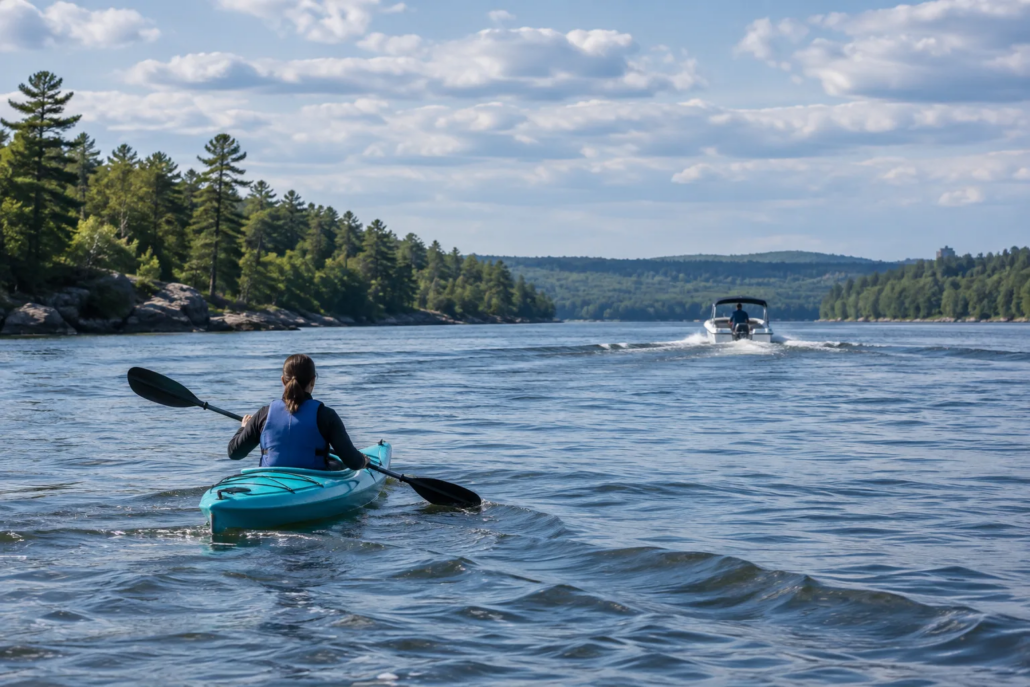
A motorboat passes a kayak on the Penobscot River, and a few moments later the kayak rolls in choppy water. The paddler may be left wondering whether the wake caused the capsize—or whether wind, current, the kayak’s position, or another factor played a part. A Bangor Maine kayak wake injury claim may depend on the full circumstances, not simply the fact that a wake was present. Independence Law Maine and New Hampshire can help readers understand the issues that may matter in a recreational boating injury. This article explains how vessel speed and distance, water and weather conditions, visibility, and the operator’s encounter with smaller craft can affect an evaluation. It also offers a practical framework for documenting the scene and preserving available evidence. No single detail decides every case, and the law that applies can depend on the waterway and the people involved.
When Can a Boat Wake Lead to a Bangor Kayak Injury Claim?
A wake is a normal effect of a moving boat, so its presence alone does not prove that an operator was legally responsible for a capsize. The circumstances around the wake may matter: how fast the vessel was traveling, how close it came to the kayak, whether it changed course, and what the operator could see. Conditions such as wind, current, boat traffic, visibility, and the kayak’s position can also help explain how the water became unstable and whether the risk could reasonably have been anticipated.
The timing and sequence matter, too. Did the kayak begin to roll as the wake reached it, or were there earlier signs of difficulty? Was the wake one of several disturbances? A careful account distinguishes what a person directly saw from what they inferred afterward. This can help keep an evaluation grounded in observable facts rather than assumptions.
A capsizing on the Penobscot River near Bangor may raise questions about state personal-injury law, maritime law, or both. The answer is fact-specific; a recreational boating incident does not automatically qualify as a maritime claim. Readers can review information about maritime injury claims for a general overview of issues that may arise. The waterway, parties, and circumstances all matter.
What Should You Document After a Wake-Related Capsizing?
A clear record can help preserve details that may be hard to recall later. If it is safe and practical, note the location on the river, the approximate time, and the direction each vessel was traveling. Record what you observed about the boat’s speed, distance, path, and wake, without guessing at measurements you did not make.
Include the conditions that could affect the water or visibility:
- Wind, current, waves, and other boat traffic.
- Weather, light, visibility, and any sudden changes.
- The kayak’s position and orientation before the wake reached it.
- The motorboat’s general appearance, color, type, direction, and any identifying details observed lawfully and safely.
Also write down the names and contact details of people who witnessed the event, if they are willing to share them. Preserve original photos or videos, including images of the scene, equipment, and visible damage. Avoid editing or adding labels to original files; note separately when and where an image was made. Keep a factual record of reported injuries and medical visits, and save related records. For a more detailed evidence overview, see records that can help document maritime negligence.
A recreational paddler’s claim is not automatically an employment-based maritime claim or a Jones Act matter. The roles of the people involved and the circumstances of the incident are relevant; how maritime injury claims can depend on worker status explains that distinction in a different context.
How Can You Preserve Evidence and Avoid Common Gaps?
Memories of a sudden capsize can differ, especially when a wake arrives among other waves or boats. A short, dated account written soon after the event may help preserve what each person remembers. Keep separate accounts from different witnesses rather than combining them into one shared version. If someone recorded video, preserve the original file and note who made it and when it was obtained.
Try to distinguish observations from conclusions. “The motorboat passed on the left and the kayak rolled shortly afterward” describes an observed sequence. “The operator deliberately tried to capsize us” is an interpretation that may not be supported by what a witness actually saw. Do not assume that a particular wake height, speed, or distance proves fault without reliable evidence and context.
Avoid discarding damaged or relevant equipment before its condition has been documented, when it is safe to preserve it. Do not post speculation about fault online; public statements can lack the context needed to explain an event. If an agency or insurer requests information, the process and implications can vary. Depending on the circumstances, a Maine attorney may help assess what records are relevant, whether additional evidence may exist, and which legal framework could apply. A Bangor, Maine incident may raise questions that are different from those in a workplace or commercial-vessel injury.
Frequently Asked Questions
Does a large wake by itself prove the boat operator was at fault?
No. A large wake may be relevant, but its size alone does not establish fault. An evaluation may consider the boat’s speed and distance, what the operator could see, the kayak’s location, water and weather conditions, and how the vessels interacted. Reliable observations, photographs, video, and witness accounts may help establish the sequence. The facts and applicable law can vary by incident and location.
What details about the boat should I record?
When safe, note the vessel’s general type, color, approximate size, direction of travel, and distinctive features you observed. Record the time and location, how close it passed, and its apparent movement or speed without presenting a guess as a precise measurement. A photo or video may help, but do not put yourself or anyone else at risk to obtain one. Do not trespass or use improper means to identify a boat.
Could a kayak capsize on the Penobscot River involve maritime law?
Possibly, but being on a river does not by itself determine which law applies. The waterway, the incident, and the roles of the people involved may all be relevant. Some recreational injury claims may be addressed under state law, while maritime principles may apply in other circumstances. A Maine attorney can assess the specific facts and explain how jurisdiction and applicable law may affect the analysis.
Does a recreational kayaker have the same claim as an injured boat worker?
Not necessarily. A recreational kayaker is not automatically treated as a maritime employee, and a recreational incident does not automatically create a Jones Act claim. Employment status, the work being performed, the vessel, and other circumstances can affect which legal rules apply. A person injured while paddling for recreation may face different questions from a worker injured in a commercial maritime job.
How Independence Law Maine and New Hampshire Can Help
Independence Law Maine and New Hampshire is dedicated to helping injured people understand the issues that may affect a maritime or recreational boating injury matter. The firm can review the circumstances, including available accounts of the wake, water and weather conditions, vessel details, witness information, and relevant records. Whether maritime or state law may apply depends on the facts, and no article can determine the outcome of an individual matter.
If a kayak capsized near Bangor and someone was injured, contact Independence Law Maine and New Hampshire to discuss the situation. The firm is committed to fighting for clients’ rights and is ready to evaluate your circumstances. Contact the firm to request a free consultation or case evaluation.
The information in this article is for educational purposes only and does not constitute legal advice. Contact a qualified attorney authorized to practice in the jurisdiction that applies to your matter for advice specific to your situation.


Leave a Reply
Want to join the discussion?Feel free to contribute!