
Who Can Help With a Bangor Boat Boarding Injury Claim?
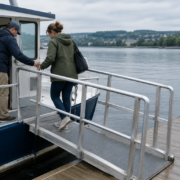
A passenger heading from shore onto a boat may expect a simple step across a dock, ramp, or gangway. But a slick surface, uneven steps, a shifting access point, or confusion about assistance can turn boarding into a fall. If you are considering a Bangor boat boarding injury claim, the first concerns are often practical: getting appropriate care, recording what the access point looked like, and understanding who managed that part of the trip.
A fall near the Penobscot River or another Bangor-area boarding location does not by itself establish who was responsible. The vessel operator, a dock or marina operator, and the condition or setup of the access point may raise separate questions. Independence Law Maine and New Hampshire can help readers understand why the details matter. This guide describes what passengers may document, how control of the boarding area can be investigated, and when a conversation with an attorney may help clarify potential legal options.
Where a Bangor Boat Boarding Injury Claim May Begin
The transition between land and vessel is a distinct part of a boating trip. A passenger may be walking down steps, crossing a gangway, stepping over a gap, or accepting a hand from a crew member. A fall can happen during any of those moments, and understanding the sequence can help clarify what questions to ask.
Consider the access point and conditions
Try to preserve a clear description of the precise location and conditions, if you are able to do so safely. Useful details may include whether the surface appeared wet, icy, uneven, unstable, or obstructed; whether the gangway moved; whether handrails or nonslip materials were present; and whether lighting or instructions affected the boarding process. Conditions can change quickly, so the time and weather may also be relevant.
A photograph can help show the layout, but avoid putting yourself or anyone else at risk to take one. Note whether the fall happened on the dock, on a gangway, on steps, or after reaching the vessel. In Bangor, the location may be near the Penobscot River, but the specific access point and who maintained or controlled it matter more than a broad description of the area.
Separate the possible roles
The vessel operator may have directed boarding or provided assistance. A dock or marina operator may have maintained the shore-side surface or access structure. In some situations, another party may have installed, inspected, or managed part of the equipment. These are possible lines of inquiry—not conclusions about fault. Determining which duties applied requires facts about ownership, control, agreements, and what each person or business knew or should have known.
What to Document After a Bangor Boat Boarding Injury
First, consider your immediate well-being. If you are injured, getting appropriate medical attention can help address your health and create a record of the condition and symptoms reported. Tell the care provider, as accurately as you can, that the event involved a fall while boarding a boat and describe when and where it happened. This is general information, not medical advice.
When practical, record details while they are fresh. A short written account or voice note may help preserve what you remember, including the order of events and any directions or assistance offered. Keep copies of relevant communications and any paperwork you receive, and make a note of the names and contact details of witnesses if they are willing to share them.
Evidence that may help clarify the boarding conditions includes:
- Photographs of the gangway, steps, dock, and surrounding area, taken from safe positions.
- The date, approximate time, weather, lighting, and surface conditions.
- Names or descriptions of people who saw the fall or helped with boarding.
- Any incident report, maintenance information, inspection records, or communications that may be available.
- Records of medical visits and related expenses, kept with personal information protected.
Some records may be held by an operator, marina, or another organization, and access may depend on the circumstances. This overview of records that may help document a maritime injury offers additional context about preserving evidence. In Bangor, a prompt, factual account can help distinguish what was observed at the scene from what was learned later.
Who Controlled the Boarding Area—and What Comes Next?
Responsibility cannot be determined just by identifying the boat or the dock. An inquiry may ask who selected the boarding location, who owned or maintained the gangway, who had authority to close or repair it, and who directed passengers across it. It may also examine whether a passenger received assistance, whether warnings were given, and whether the access point was suitable for the conditions. Different parties may control different parts of the transition.
The legal framework may also require careful review. A fall connected to a vessel or navigable water may raise maritime-law questions, while Maine law or other rules may be relevant depending on the facts. The passenger’s status, the vessel’s activity, and the exact place of the fall can matter. Not every incident involving a boat automatically becomes a maritime claim, and a location in Bangor does not alone resolve that question.
A claim may involve a Maine state court or a federal court, depending on the legal basis and other facts. The appropriate process and deadlines are circumstance-specific, so it can be useful to discuss the incident with an attorney before assumptions are made about who is responsible or which rules apply. A lawyer offering legal guidance for a maritime injury may review the passenger’s account, the location, and available records to help assess possible next steps.
Avoid guessing about facts you do not know. If someone asks for an account, clarity and accuracy matter; where there is uncertainty, it is reasonable to say so. Keep relevant records together and note when conditions, statements, or conversations are documented. These are general practical considerations, not instructions about what you must do in a specific case.
Frequently Asked Questions
Does a fall on a gangway automatically count as a maritime injury?
No. A gangway fall does not automatically establish that maritime law applies. The location of the incident, the vessel’s activity, the passenger’s status, and other facts may affect which legal rules are relevant. A fall may also raise questions about Maine law or other sources of law. An attorney can review the details and explain which framework may apply; the location alone does not decide the issue.
What if I did not take photographs at the scene?
A lack of photographs does not necessarily prevent an injured passenger from asking questions or exploring options. Other information—such as witness names, a timely written account, incident communications, or records about maintenance—may help clarify what happened. Conditions may change after a fall, so any later description should distinguish what you personally observed from what someone else told you. Available evidence will vary by incident.
Could both the vessel operator and marina be relevant?
Potentially, but the facts must show what each party controlled and what responsibilities may have applied. An operator might have directed boarding, while a marina or dock operator might have managed some part of the shore-side access. Those roles can overlap or differ. Identifying a party connected to the trip does not, on its own, prove legal responsibility for the fall.
What should I ask when consulting an attorney about a boarding fall?
You might ask what facts could affect whether maritime law or Maine law applies, what records may be useful, and whether deadlines or notice requirements could matter. You can also ask who may have controlled the access point and what additional information would help assess the situation. The attorney’s answers will depend on the details you provide and the laws applicable to the incident.
How Independence Law Maine and New Hampshire Can Help
A boarding fall can involve more than one location and more than one potential decision-maker. Independence Law Maine and New Hampshire is dedicated to helping injured people understand the questions that may arise in a maritime or personal injury matter. The firm can review the circumstances, discuss what records may be relevant, and evaluate whether the facts suggest a possible claim—without assuming the result in advance.
Readers can check the firm’s listed service areas and confirm directly whether the firm handles inquiries involving an injury in Bangor. If you would like to discuss what happened, contact Independence Law Maine and New Hampshire to request a free consultation or case evaluation.
The information in this article is for educational purposes only and does not constitute legal advice. Contact a qualified attorney licensed in Bangor, Maine for advice specific to your situation.