
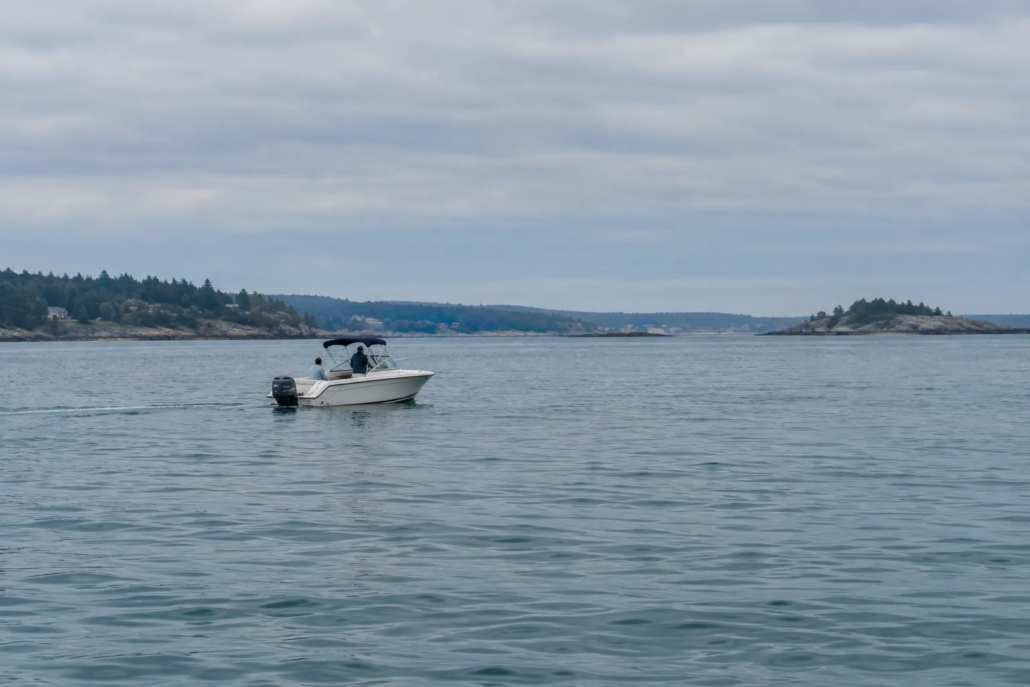
After a Casco Bay Propeller Strike, What Should You Record?
A propeller strike in Casco Bay can leave an injured person and their family facing urgent questions: Who was operating the vessel, where was everyone positioned, and what happened just before the contact? A Casco Bay propeller injury claim may require looking beyond the injury itself; the fact that someone was hurt does not, by itself, establish who was at fault. In Portland, Maine, boat traffic, changing visibility, and activity near shore can all be relevant details, but the circumstances of each incident matter. Independence Law Maine and New Hampshire helps people understand the issues that may arise in maritime injury matters. This guide explains which parties may warrant investigation, what evidence may help clarify vessel operation and safety, and how to record basic incident details while prioritizing care.
Who May Be Liable in a Casco Bay Propeller Injury Claim?
Responsibility depends on what each person or business did, what duties applied, and whether their conduct contributed to the injury. An investigation may consider the person steering the boat, the vessel owner, or another operator involved in the trip. Depending on the facts, maintenance providers, manufacturers, or a business that arranged a trip may also warrant review. Their involvement alone does not establish liability; evidence about their actions and the cause of the strike matters.
A rental trip can add questions about who selected, maintained, and operated the vessel. For more detail about liability questions after a Casco Bay rental-boat crash, see our related guide. The roles of the renter, owner, rental business, and any other operator should be assessed from the specific circumstances, rather than assumed from the fact that a boat was rented.
The operator, owner, and other parties
Investigators may ask who controlled the boat at the relevant time, who was responsible for its operation, and whether more than one vessel was involved. They may also examine whether a mechanical problem or maintenance issue contributed. A passenger, swimmer, or person near a vessel may have information about what happened, but their presence does not resolve the question of fault. Each possible party’s role and connection to the incident must be considered separately.
Why the setting and roles matter
Casco Bay includes busy boating areas and changing conditions. The precise location, vessel activity, and positions of people in the water or aboard a boat can help reconstruct the sequence of events. If a rental, tour, or other commercial arrangement was involved, the relationship between the business, owner, and operator may raise additional questions. A careful review avoids treating any one detail as conclusive.
How Vessel Movement, Visibility, and Safety Practices May Matter
A propeller-strike investigation may look at what the vessel was doing before and during the incident. Relevant questions can include whether it was moving, turning, slowing, or stationary; whether its operator could see people nearby; and where passengers or swimmers were positioned. Investigators may also examine how people entered or left the water and what instructions or warnings were given. These are factual questions, not assumptions about who caused the injury.
Visibility may depend on several circumstances, such as light, weather, water conditions, obstructions, and the viewpoints of people involved. The location and timing of a person’s movement may also matter. Photos, video, witness accounts, and vessel information can help establish those details, though a single image may not show the full sequence.
In Portland, Maine, the appropriate reporting or investigative agency can depend on the type of vessel, the incident, and applicable requirements. Maine Marine Patrol or the U.S. Coast Guard may be involved in some boating incidents. The appropriate court, if a legal claim follows, also depends on jurisdiction and the facts; a matter arising in Casco Bay is not automatically handled in one particular court. Applicable maritime and state law can vary with the circumstances and may change.
Investigators may also assess safety practices and reliable evidence about impairment, alongside other facts. Alcohol use or suspicion alone does not establish that it caused a strike or prove liability. For a related discussion, see how alcohol evidence may affect a Portland Harbor boating injury claim. The overall assessment may consider multiple operators and circumstances together.
What to Record and Preserve After a Propeller Injury
After an incident, attention to immediate safety and getting appropriate care comes first. When it is safe and practical, a person or family member can record basic details while memories are fresh. These notes do not need to establish fault; they can help preserve information for later review. Avoid putting yourself or anyone else at risk to obtain a photograph or approach a vessel.
Useful details may include:
- Vessel description: approximate size, color, type, visible markings, and the direction it traveled. Record only what you can observe reliably.
- Location and timing: the area of Casco Bay, nearby landmarks, approximate time, and conditions you remember.
- People and witnesses: names and contact details, if they are willingly provided, and where each person was positioned.
- Available photographs or video: images of the scene, vessel, or surrounding area, if they can be taken safely. Keep original files when possible.
- Incident and care records: reports, communications, and records related to care received. Keep copies and note how and when they were obtained.
Write down what you personally saw separately from what someone else told you. If details are uncertain, label them as estimates rather than filling gaps with guesses. Keep potentially useful material in its original form and make a note of where it came from. For more examples, review records that can help clarify a maritime negligence claim.
A lawyer may later assess whether additional evidence should be requested or preserved, including vessel or trip records. The available evidence and the rules that apply depend on the incident. In Portland, Maine, a maritime injury matter may involve questions about state and federal law, so preserving an accurate account can be useful without drawing conclusions about responsibility too early.
Frequently Asked Questions
Can a passenger make a claim after a propeller strike?
A passenger may have options to explore if someone else’s conduct contributed to an injury, but the facts and applicable law matter. An investigation may consider the vessel operator, owner, other operators, and any relevant business or maintenance role. Being a passenger does not automatically establish or defeat a claim. A qualified attorney can assess how the passenger’s position, the vessel’s operation, and available evidence may affect the analysis.
What if the injured person was swimming near a boat?
The person’s location and activity may be relevant, but they do not alone determine responsibility. An investigation may examine visibility, vessel movement, warnings, the positions of other people, and what each operator could reasonably observe. Witness accounts and photographs may help clarify those facts. The effect of any particular circumstance depends on the evidence and the law that applies to the incident.
Should I report a boating injury in Casco Bay?
Reporting requirements can depend on the vessel, injury, and circumstances, so there is no single answer for every incident. Relevant agencies may include Maine Marine Patrol or the U.S. Coast Guard. If a report is made, keep any available reference information and a copy if one is provided. A lawyer familiar with maritime injury matters can help identify which reporting or record questions may apply.
How long do I have to explore a propeller injury claim?
Deadlines can depend on the parties, the location and circumstances of the incident, and whether state or federal maritime law applies. Different notice requirements may also be relevant in some situations. Because the correct deadline cannot be determined from the general description alone, a person considering a claim can contact a qualified attorney promptly to ask how timing applies to their circumstances.
How Independence Law Maine and New Hampshire Can Help
A propeller injury can involve more than one vessel, operator, or potentially responsible party. Independence Law Maine and New Hampshire is dedicated to helping injured people and families understand the questions that may shape a maritime injury matter, including evidence preservation, applicable law, and the roles of those involved. The firm can listen to the account of what happened and evaluate possible next steps based on the available information. Learn more about working with a maritime injury lawyer. Contact the firm to request a free consultation or case evaluation and discuss your situation.
The information in this article is for educational purposes only and does not constitute legal advice. Contact a qualified attorney authorized to practice in the jurisdiction that applies to your matter for advice specific to your situation.

Leave a Reply
Want to join the discussion?Feel free to contribute!