
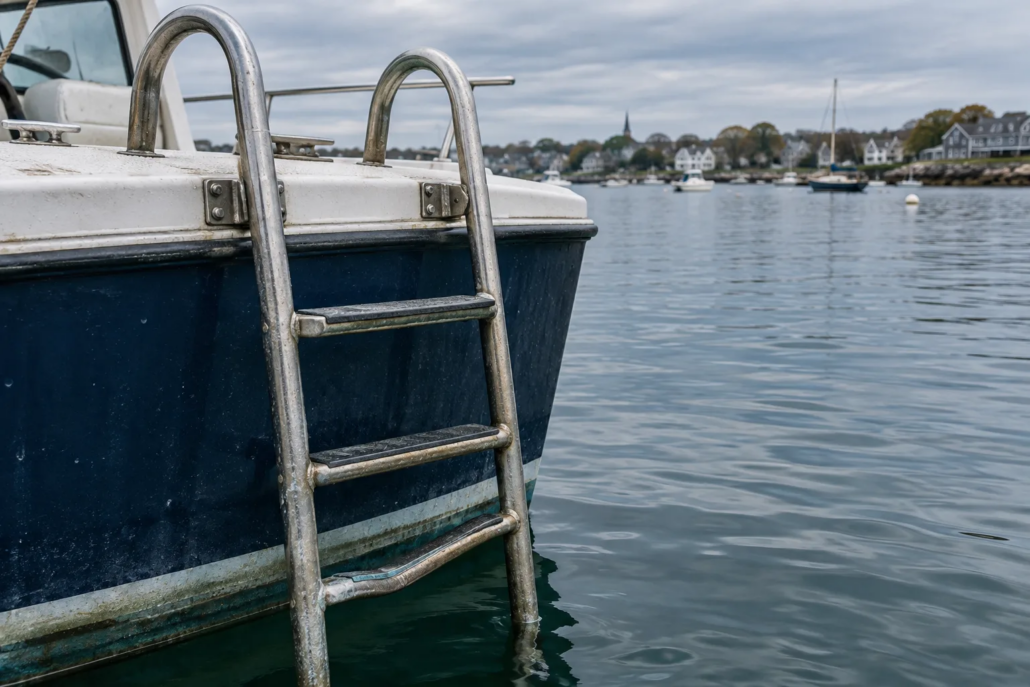
Can a Broken Boat Ladder Support a Portsmouth Injury Claim?
A boat ladder gives passengers a way to board or leave the water, and a rail can help someone keep their balance on a moving deck. If either fails, an injury may prompt questions about the equipment, how it was maintained, and who was responsible for it. A Portsmouth NH boat defective equipment injury may involve product-liability issues, but a broken part alone does not establish that a product was defective. Independence Law Maine and New Hampshire helps readers understand the questions that can arise after a maritime injury and the importance of preserving useful information.
This article explains how a product-defect question differs from maintenance, inspection, installation, or operational concerns; what information may help clarify the cause; and why medical care and safety should come first. The facts, the injured person’s role, the vessel’s use, and where the incident occurred may all affect which legal rules apply.
When Can a Broken Boat Ladder or Rail Raise a Product Liability Question?
A product-liability review generally asks whether an alleged flaw in the equipment contributed to the injury. A boat ladder, railing, handhold, or similar component might warrant closer examination if, for example, it fractured during ordinary use, detached at a connection, or failed in a way that may relate to its design, manufacture, or warnings. These are questions to investigate, not conclusions that can be drawn from the injury alone.
Possible product-related issues
Depending on the evidence, a review may consider whether the component’s design was appropriate for its intended use, whether it was made or assembled properly, or whether instructions and warnings adequately addressed a relevant risk. Identifying who made or supplied the part—and whether it was original equipment or a replacement—may also matter.
Other causes may point to a different claim
A failure can have explanations unrelated to a product defect. Corrosion, wear, missed inspections, poor installation, unsuitable repairs, or use outside the component’s intended capacity may raise maintenance, installation, or operational questions instead. More than one factor can contribute. For an injury in Portsmouth, New Hampshire, the legal analysis may depend on the evidence and the relationship between the injured person, vessel owner, operator, and equipment supplier. A product-liability theory is only one possibility, not an automatic result of a broken ladder or rail.
What Evidence Can Help Explain a Boat Equipment Failure?
After a fall or other injury, medical attention and immediate safety should take priority. Do not climb back onto an unstable ladder, lean on a damaged rail, or attempt to recreate the failure. If the area is unsafe, leave documentation to someone who can do so without taking risks.
When it is safe and appropriate, useful information may include:
- Photographs of the component, its attachment points, and the surrounding area, taken without touching or moving damaged parts.
- Identifying details such as the component’s manufacturer, model, serial number, or other markings, recorded in notes or photographs if safely visible.
- The vessel’s make, model, approximate age, and any available ownership or equipment information.
- Names and contact details for people who saw the failure or know about earlier repairs, inspections, or complaints.
- Available maintenance records, receipts, incident reports, and communications about the equipment.
Avoid repairing, disassembling, testing, or discarding the failed part. Those actions may change its condition or make later evaluation more difficult. If the equipment must be moved to address an immediate hazard, the circumstances and who handled it may be worth recording. More guidance is available on preserving records that can help document a maritime negligence claim.
How Do Claim Type and Local Circumstances Affect Next Steps?
A vessel injury does not automatically become a maritime claim or a product-liability case. The injured person’s role, the vessel’s purpose and use, and where the incident occurred may help determine whether maritime law, New Hampshire law, or another legal framework applies. A claim might involve a manufacturer or seller if a product issue is supported by evidence, while a maintenance or installation concern could involve different questions. In some situations, an injury may call for a broader personal-injury analysis. The relevant facts matter more than the label initially given to a claim.
For someone injured near Portsmouth, the location may also help identify relevant records and witnesses. Portsmouth is in Rockingham County, but that does not by itself determine where a case belongs; court and jurisdiction questions depend on the claim and applicable rules. New Hampshire and maritime laws can vary by circumstance and may change, so local legal review can help clarify which rules may apply. Readers can explore the firm’s information about Portsmouth personal injury lawyers if the incident may involve more than a product defect.
When considering legal guidance, a lawyer may ask what happened before and after the failure, whether the part was original or replaced, who maintained the vessel, and whether anyone documented earlier problems. A person’s work or passenger status may also affect the analysis. Portsmouth maritime injury lawyers can help assess whether maritime rules may be relevant; not every boat injury is automatically a maritime claim.
Frequently Asked Questions
Does a broken boat ladder automatically mean the ladder was defective?
No. A broken ladder can raise a product question, but the failure alone does not show why it happened. The component’s condition, age, installation, maintenance history, intended use, and any prior repairs may all be relevant. A failure caused by wear or improper installation may call for a different analysis from a manufacturing or design issue. The available evidence and circumstances determine what possibilities merit further review.
What should I do first after a boat ladder or rail injury?
Prioritize your safety and seek appropriate medical attention. Do not use damaged equipment or put yourself at risk to inspect it. If it is safe, someone may photograph the component and surrounding area without moving or testing anything, and note identifying details and witness information. Keep any incident-related records that are already available. The right steps can depend on the situation, so a qualified attorney can discuss case-specific questions.
Can a claim involve both a product defect and poor maintenance?
Potentially. A component’s design or manufacture and the way it was installed, inspected, or maintained can raise separate but related questions. The facts may also show that more than one factor contributed, or that one explanation is better supported than another. A careful review may consider equipment records, the condition of the part, and witness accounts. Whether any particular person or company may be responsible depends on applicable law and evidence.
Does New Hampshire law always govern a boat injury near Portsmouth?
Not necessarily. The injured person’s role, the vessel’s use, and the location and circumstances of the incident can affect which legal framework applies. A claim may raise maritime issues, New Hampshire law, or both, depending on the facts. Portsmouth’s location in Rockingham County does not alone settle jurisdiction or venue. Because rules can vary and may change, an attorney licensed in the relevant jurisdiction can provide advice specific to an individual situation.
How Independence Law Maine and New Hampshire Can Help
Independence Law Maine and New Hampshire is dedicated to helping injured people understand the questions that may follow a vessel-equipment failure. A careful evaluation may consider the component’s identifying details, available photographs and records, the vessel’s use, and whether the circumstances suggest a product issue, a maintenance concern, or another type of claim. The firm is committed to fighting for clients’ rights while recognizing that each matter depends on its facts and applicable law.
If you were injured by a failed ladder, rail, or other vessel component in the Portsmouth area, contact Independence Law Maine and New Hampshire to discuss your situation and request a free consultation or case evaluation.
The information in this article is for educational purposes only and does not constitute legal advice. Contact a qualified attorney licensed in Portsmouth, New Hampshire for advice specific to your situation.


Leave a Reply
Want to join the discussion?Feel free to contribute!